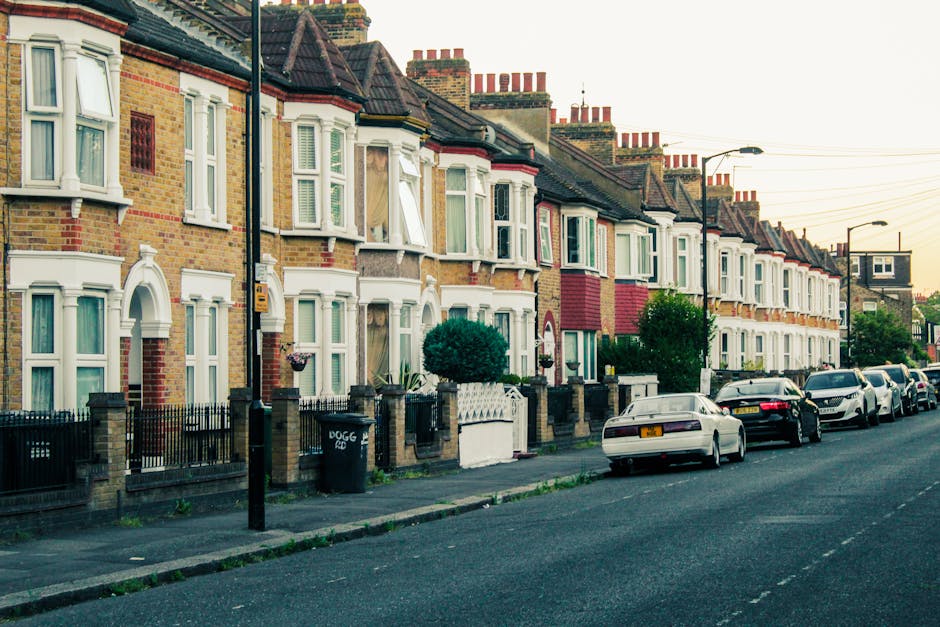
Removals for Roehampton Village narrow street access tips
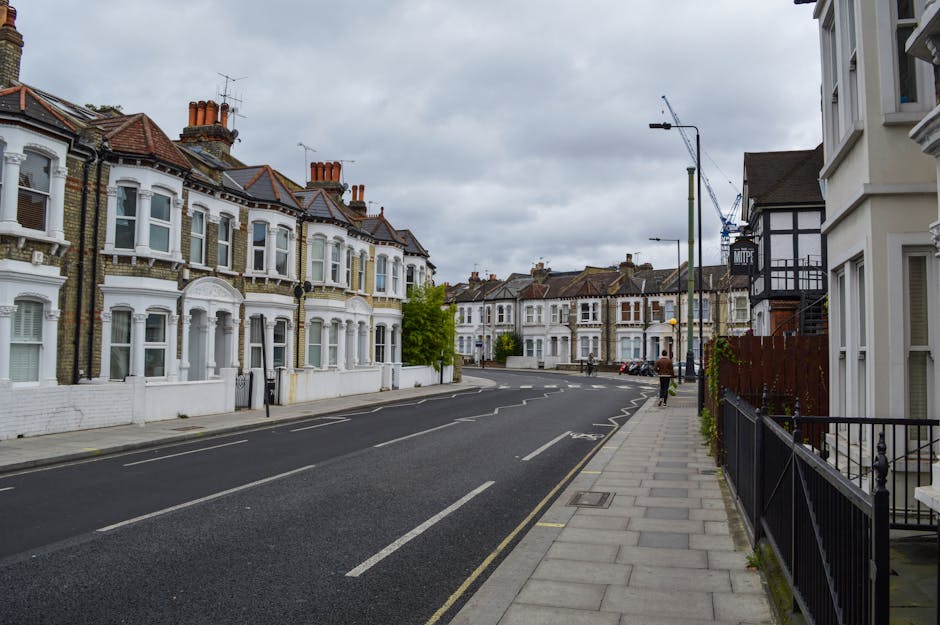
Moving in Roehampton Village can be straightforward on paper and a little awkward in real life. One minute you are measuring boxes and booking a van, the next you are looking at a narrow street, a tight turning circle, a parked car on both sides, and wondering how on earth a furniture lorry is supposed to fit. That is exactly why Removals for Roehampton Village narrow street access tips matter. The right approach saves time, reduces stress, and helps avoid those last-minute scrambles that turn a moving day into a small headache with tea stains on the side.
This guide walks through practical planning for narrow access, what to check before moving day, how removal teams usually work in tighter streets, and the simple choices that make a big difference. You will also find a checklist, a comparison table, and a realistic example from a typical Roehampton Village move. Let's make it less faffy, shall we?
Why Removals for Roehampton Village narrow street access tips Matters
Roehampton Village has that lovely local feel people move for in the first place: older streets, a more residential layout, and a sense that things are a little calmer than the main roads. The downside, if you can call it that, is access. Narrow roads, limited passing space, parked cars, and corners that look fine in daylight but become a puzzle once a van turns up. For removals, this changes everything.
A move is not only about loading items from A to B. It is about how the vehicle gets close enough to the property, how quickly the crew can carry items without extra distance, and whether larger furniture can safely be moved without scratching walls or damaging door frames. When access is tight, every detail matters. The route, the time of day, the size of the vehicle, and even the way boxes are stacked all affect the outcome.
In our experience, the biggest issue is not usually the move itself. It is the gap between what people assume the street can handle and what it actually can handle on the day. A van that looks compact on a website may still struggle if the road is lined with cars and there is no room to pause. And once the vehicle is stuck a little way down the road? Everything takes longer. Sometimes much longer.
Expert summary: Narrow street removals are won or lost before the first box is lifted. If access is planned properly, the move feels calm. If it is not, even a small home can become a complicated day.
How Removals for Roehampton Village narrow street access tips Works
The process usually starts with a simple question: can the vehicle actually reach the property safely? That sounds obvious, but it is the part people often skip. A proper assessment looks at street width, parked vehicles, turning space, nearby restrictions, loading zones, and whether the mover can stop legally and without blocking neighbours or traffic.
Once access is understood, the removal plan is shaped around it. That might mean using a smaller man with a van service instead of a larger truck, arranging an early morning slot, or using a shuttle approach where items are carried from the property to the vehicle in stages. Sometimes the best option is a combination of transport and handling support, especially if the property sits on a street where a full-size van would be awkward to position.
For tighter roads, the job often becomes more about logistics than brute force. The crew may park a little further away and walk items carefully. They may use trolleys, protective blankets, and additional straps. They may also suggest pre-disassembly for beds, wardrobes, and other bulky furniture so that pieces move through hallways and doorways more easily. Nothing glamorous. Very effective though.
Another part of how it works is communication. Good removal planning depends on clear notes about staircases, basement access, lift availability, resident permits, and whether there are any time restrictions from building management or neighbours. A quick phone call or property check can save a world of trouble later. Honestly, it is one of those boring admin things that pays for itself.
Key Benefits and Practical Advantages
Planning for narrow access is not just about avoiding problems. It also creates a smoother, cheaper, and less stressful move overall. The benefits are practical and immediate.
- Less wasted time: If the right vehicle and access plan are chosen first, the crew can get straight to work.
- Lower risk of damage: Better positioning means fewer awkward lifts, fewer tight turns, and less chance of scratching walls or furniture.
- Better packing discipline: When access is limited, packing becomes more organised, which usually means fewer losses and less panic.
- More accurate quotes: Sharing access details early helps the removal company price the job more realistically.
- Less disruption to neighbours: Shorter loading times and better parking plans reduce complaints and frustration on the street.
There is also a quieter benefit people do not always think about: confidence. When you know the access problem has been thought through, the whole move feels more manageable. You stop imagining worst-case scenarios, and that helps. A lot.
| Access issue | Why it matters | Good practical response |
|---|---|---|
| Narrow road | Limits vehicle size and passing room | Choose a smaller van or plan a shuttle transfer |
| Heavy parking | Makes stopping close to the property difficult | Check parking options and move early in the day |
| Tight turning | Large vehicles may struggle to enter or exit | Confirm turning space and avoid over-large trucks |
| Long carry distance | Increases time and physical effort | Use trolleys, extra crew support, and stronger packing |
Who This Is For and When It Makes Sense
This kind of planning is useful for more people than you might expect. It is not only for huge houses or awkward commercial jobs. In Roehampton Village, narrow access can affect all sorts of moves.
- Homeowners and tenants moving from terraced or older properties.
- Families with lots of furniture, children's items, and a fair amount of packing to juggle.
- Older residents who want the move handled carefully and without too much lifting stress.
- Students or flat sharers where access is tight but budgets are still important.
- Small businesses relocating stock, desks, or archive items from local offices or mixed-use buildings.
It also makes sense if you have any of the following: basement storage, a second-floor flat with no lift, bulky sofas, antique pieces, or furniture that cannot be taken apart easily. If that sounds like your move, then proper access planning is not optional really. It is part of the job.
And if you are unsure? That is usually the sign to ask for a site check or at least a detailed access discussion before moving day. Better to ask a slightly awkward question now than to discover the van cannot fit later, while the kettle is still in the box. Been there, seen that.
Step-by-Step Guidance
Here is a practical way to organise removals in a narrow street without turning it into a small disaster.
1. Measure the access, not just the rooms
Measure the street width where the vehicle would stop, the available turning space, and the distance from the nearest safe parking point to your front door. Also check gates, tight bends, low overhanging branches, and anything that could interfere with a van roof or a tall item being moved.
2. Be honest about parking
Do not assume the van can simply pull up outside. In residential parts of Roehampton Village, parking can be the difference between a quick move and a slow one. If necessary, think about whether temporary parking arrangements, resident permissions, or a timed arrival would help. A few extra minutes planning now often saves hours later.
3. Match the vehicle to the street
For some streets, a smaller vehicle is far more effective than a larger one. A removal van or man and van option may be more practical than a bigger truck, especially where access is tight and loading has to be done in stages.
4. Prepare the furniture
Disassemble what can be disassembled. Remove table legs, take mirrors down early, empty wardrobes, and secure loose drawers. It is simple work, but it makes a big difference when items need to pass through narrow hallways or turn a tight corner in the stairwell.
5. Pack for carry distance
If the van cannot park directly outside, boxes need to be sturdy and not overfilled. Heavy items should stay in smaller boxes. Fragile items need padding that actually works, not just a bit of paper and hope. You know the sort of move where the label says "fragile" but the box feels like a brick? Best avoid that.
6. Protect the property
Door guards, floor runners, blankets, and corner protection matter more in narrow access situations because there is less room to manoeuvre. Small scrapes happen when people rush. Slower, careful movement is usually faster overall. Odd but true.
7. Keep the team informed
Tell the movers about stairs, no-stopping zones, awkward entrances, and anything that might be easy to miss. If a sofa has been stuck in a cellar for ten years and only just came free last week, say so. That kind of thing changes the plan.
8. Build in time for delays
Traffic, neighbours, parked delivery vehicles, and a blocked street can all add time. A little breathing room in the schedule stops everyone feeling rushed. And rushed removals are where mistakes breed.
Expert Tips for Better Results
These are the small, practical things that usually make a bigger difference than people expect.
- Book earlier than you think: If access is tight, early slots are often easier because streets are quieter and parking is less pressured.
- Use colour labels: When items have to be carried in stages from a property to the van, clear labels reduce confusion.
- Keep a clear landing zone: A tidy hallway and porch speed up the work more than most people realise.
- Move one room at a time: This is especially helpful in flats or older homes where items are being carried through narrow paths.
- Ask about protective equipment: Blankets, straps, and dollies are not extras; they are part of safe handling in cramped spaces.
- Check the weather: Rain makes narrow access more awkward, especially where steps, paving stones, or slopes are involved.
A useful rule of thumb: if a task feels like it will take "just a minute," double it. Moving in tight spaces is rarely as quick as it first looks. That is not pessimism, just experience.
Also, keep snacks and water nearby for the day itself. It sounds almost laughably basic, but a long carry in a warm hallway, then a delay, then another carry... well, people get tired and cranky faster than they expect.
Common Mistakes to Avoid
The same issues come up again and again on difficult-access moves. The good news is they are avoidable once you know what to watch for.
- Booking the wrong vehicle size: Bigger is not always better. A large truck may be useless if it cannot approach the property safely.
- Underestimating carry distance: If the van parks two streets away, the move becomes a very different job.
- Failing to mention stairs or basement access: This creates avoidable delays and changes to the handling plan.
- Packing boxes too heavily: Tight streets mean more carrying, and overloaded boxes are a problem very quickly.
- Leaving disassembly until the last minute: Bulky furniture is far harder to manage once the crew arrives and the clock is ticking.
- Not checking loading restrictions: You do not want a vehicle waiting illegally while everyone tries to guess what is allowed.
One subtle mistake is not thinking about the neighbour factor. In narrow residential streets, one badly placed car can block the whole flow. If you can, be considerate with timing and communication. It makes life easier for everyone, and people remember that.
Tools, Resources and Recommendations
For narrow street removals, the right tools are practical rather than fancy. You do not need a warehouse full of equipment. You do need the basics that reduce handling strain and protect your belongings.
- Furniture blankets and covers: Help prevent scratches and scuffs during tight manoeuvres.
- Ratchet straps or tie-downs: Keep loads stable in the vehicle, especially on repeated short trips.
- Two-wheeled sack truck or trolley: Useful for boxes and smaller appliances where access allows.
- Labels and markers: Make it easier to keep items grouped and prioritised.
- Basic toolkit: Screwdrivers, Allen keys, tape, and a knife for careful unpacking are often enough.
- Protective gloves: Handy for grip and for awkward surfaces like old wooden frames or metal edges.
As for service choices, some moves are best handled by a general removals team, while others are better suited to a lighter van removal setup. If you are relocating a whole household, a more structured house removals service may be the right fit. For smaller loads or short-distance moves, a flexible local option can often be the smarter choice.
If you are also comparing budget, it is sensible to look at pricing and quotes early, because narrow access can influence the final cost. Not always dramatically, but enough that surprises are avoidable if you ask the right questions upfront.
Law, Compliance, Standards, or Best Practice
For road access, parking, loading, and moving equipment in the UK, best practice matters even when the move is private. The details can vary by street and local conditions, so it is wise to check arrangements carefully rather than assume. Where loading is involved, movers should avoid unsafe stopping, blocked access, or situations that could put pedestrians or other road users at risk.
Health and safety is also a real part of the job. Good moving practice should include safe lifting, suitable handling equipment, and care around stairs, thresholds, and tight corners. If you want to understand how a company approaches this, their health and safety policy and insurance and safety information are worth reviewing before booking.
For building access, leaseholders, tenants, or people in managed blocks may need to follow property-specific rules about lift booking, communal areas, and delivery times. That is not the same as law, but it still matters. In practice, ignoring building instructions causes delays, friction, and sometimes extra cost. Nobody wants that on moving day.
When in doubt, ask questions early and keep the answers in writing if possible. It is a simple habit, but it protects everyone involved.
Options, Methods, or Comparison Table
There is no single right way to manage a narrow-street move in Roehampton Village. The best option depends on the size of the load, the street layout, and how much walking distance the crew can realistically handle.
| Method | Best for | Strengths | Trade-offs |
|---|---|---|---|
| Small van or man and van | Smaller homes, single items, tight roads | Easier to park, flexible, often quicker in narrow streets | May require more trips for larger moves |
| Larger removal truck | Big household moves with easier access nearby | Fewer trips, more load space | Can be difficult to position in narrow streets |
| Shuttle transfer | Roads too tight for larger vehicles | Works where direct access is poor | Takes longer and needs more handling |
| Hybrid approach | Moves with mixed access issues | Flexible and practical | Needs more planning and coordination |
In plain English, the best option is usually the one that lets the team work safely and steadily. Efficiency matters, sure, but only if the street can support it. A smaller vehicle with good planning can outperform a bigger one every time when the road is the limiting factor.
Case Study or Real-World Example
Here is a typical example from a Roehampton Village-style move. A family in a two-bedroom home had a sofa, dining table, bed frames, a few fragile boxes, and a collection of oddly shaped items that always seem to appear during a move. The street was narrow, parked vehicles were lined up on one side, and the front door opened onto a short but awkward path with a slight bend. Nothing dramatic. Just awkward enough to matter.
Instead of sending a large truck, the plan used a smaller vehicle, an earlier start, and a carry route that was checked the day before. The larger items were dismantled in advance, the boxes were grouped by room, and the hallway was cleared completely before the movers arrived. That meant the team could move in a steady rhythm rather than stopping and starting every few minutes.
What made the biggest difference was not speed. It was clarity. Everyone knew where items were going, what had to be moved first, and where the vehicle would stand. The job still took effort, obviously. Moving house always does. But it felt controlled rather than chaotic, which is a very different experience.
That is the lesson with narrow street access: good planning does not remove the work. It removes the uncertainty. And that, in a moving day, is half the battle.
Practical Checklist
Use this checklist before moving day if your Roehampton Village property has tight street access.
- Confirm the vehicle size is suitable for the street.
- Check where the van can legally stop or load.
- Measure any tight gates, steps, or turning points.
- Identify whether parked cars may block access.
- Tell the movers about stairs, lifts, or basement items.
- Disassemble bulky furniture where possible.
- Pack heavy items into smaller boxes.
- Label boxes clearly by room and priority.
- Clear hallways, landings, and entrance paths.
- Prepare for a longer carry if the van cannot park outside.
- Check weather conditions for the day.
- Keep important documents, keys, and valuables separate.
If you want one simple rule to remember, it is this: access details are not minor details. They are the move.
Get a free quote today and see how much you can save.
Conclusion
Moving in Roehampton Village does not have to be difficult, even when the streets are narrow and the parking is a bit of a puzzle. The key is to plan for access early, choose the right vehicle, prepare your furniture properly, and give the removal team the information they need before the day arrives.
That approach turns a potentially awkward job into something organised and manageable. Not perfect, because real moves rarely are. But much calmer, much safer, and a lot less frantic. And really, that is what most people want: a move that gets done without drama, without damage, and without that awful feeling that everyone is improvising.
If you are preparing a move in a tight street, trust the planning stage. It pays off. Quietly, but properly.
Frequently Asked Questions
What is the main challenge with removals in Roehampton Village narrow streets?
The main challenge is access. Narrow roads, parked cars, and limited turning space can make it hard for a vehicle to stop close to the property, which increases carrying time and the chance of delays.
Should I choose a small van or a large removal truck?
It depends on the street and the size of your move. In many narrow-access situations, a smaller van is more practical because it can park more easily and reduce the amount of walking between the property and the vehicle.
How far in advance should I mention access issues?
As early as possible. The sooner you mention narrow streets, stairs, or parking concerns, the sooner the moving plan can be matched to the property.
Do I need to measure the street before booking?
Measuring helps, especially if you are unsure whether a larger vehicle can fit. Even a rough check of width, turning space, and loading position can prevent a lot of guesswork.
What happens if the van cannot park outside my home?
The crew may need to park further away and carry items by hand or use a shuttle-style transfer. That is workable, but it usually takes longer, so it is worth planning for in advance.
Can narrow access increase the cost of a move?
It can, because it may involve more labour time, extra handling, or a different vehicle choice. The best way to avoid surprises is to share access details when asking for a quote.
What furniture should I dismantle before moving day?
Anything bulky or awkward, such as bed frames, large tables, and some wardrobes if they can be safely taken apart. This is especially helpful where doors, stairs, or hallways are tight.
How can I make a narrow-street move safer?
Keep pathways clear, use strong packing boxes, protect floors and door frames, and make sure the movers know about any hazards. Safe lifting and careful handling are more important when space is limited.
Are there special parking rules I should check?
Yes. Loading restrictions, resident parking, and access rules can affect how the move is done. Even if the move is private, local parking conditions still matter a great deal.
Is a man and van service enough for a Roehampton Village move?
It can be, especially for smaller homes, single-room moves, or shorter distances. For larger households, you may need a fuller removals setup. The right choice depends on your volume, access, and timing.
How do I reduce stress on moving day?
Prepare the access plan in advance, label everything clearly, keep the hallway clear, and allow extra time. Small organisation choices make the day feel much less frantic.
What if my building has a lift or shared entrance?
Check the building rules before the move. Lift booking, communal access, and time restrictions can affect the schedule, so it is better to know those details early rather than finding out at the door.